
Solar landscape lights are a popular and eco-friendly way to enhance outdoor spaces. These lights require minimal energy, reduce electricity costs, and add charm to gardens, pathways, and patios. However, like any outdoor fixture, they need regular care to perform at their best. Without proper maintenance, their brightness can diminish, and their lifespan may shorten. With a few simple steps, you can ensure your solar landscape lights stay efficient and reliable year-round.
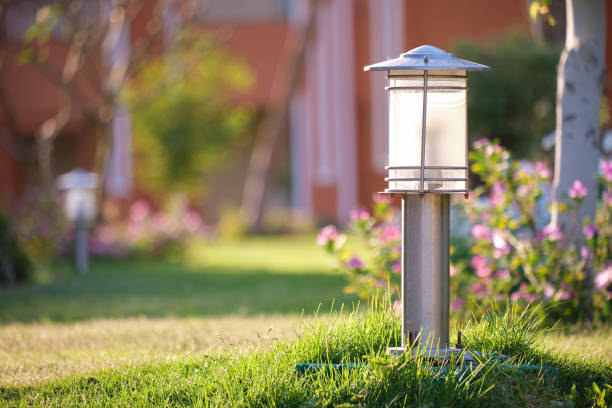
Choose and Place Wisely
Before diving into maintenance, it’s essential to consider the quality and placement of your solar lights. Low-quality fixtures are more prone to fading and malfunctioning. Look for solar landscape lighting that is weather-resistant and built to last. It’s also important to place them in areas where they receive maximum sunlight during the day. Avoid locations shaded by trees, walls, or roofs, as insufficient sunlight can significantly reduce their charging efficiency. If you’re planning a new outdoor setup, solar landscape lighting is a practical choice for both functionality and environmental sustainability.
Clean the Panels Regularly
Dust, pollen, leaves, and bird droppings can accumulate on solar panels and reduce their ability to absorb sunlight. Cleaning the panels every few weeks can significantly improve performance. Use a soft cloth or sponge with warm, soapy water to gently wipe the surface. Avoid harsh chemicals or abrasive materials, as these can scratch or damage the panel. For heavily soiled panels, a soft-bristled brush can help remove stubborn debris.
Check and Replace Batteries
Rechargeable batteries power solar landscape lights, and over time, these batteries can lose their ability to hold a charge. Typically, solar batteries need replacing every one to two years. If your lights start dimming earlier in the evening or don’t turn on at all, battery fatigue may be the cause. Always replace with the correct type specified by the manufacturer to ensure compatibility and performance.
Inspect for Water and Weather Damage
Although solar lights are designed for outdoor use, prolonged exposure to harsh weather conditions can take a toll. Water can seep into poorly sealed units, causing corrosion or short circuits. After storms or heavy rainfall, check your lights for signs of moisture, rust, or mold. If a fixture appears damaged, dry it thoroughly and, if necessary, reseal any openings with silicone caulk to prevent further water intrusion.
Keep Surrounding Areas Clear
Overgrown grass, mulch, or debris around your lights can block sunlight or cover the sensors that trigger them at dusk. Make it a habit to clear the area around each fixture to maintain optimal exposure and functionality. This simple step not only improves lighting efficiency but also enhances the overall appearance of your landscape.
With regular maintenance and a few mindful habits, your solar landscape lights can continue to brighten your outdoor spaces effectively and attractively. From keeping panels clean to monitoring battery life and protecting against weather damage, these efforts help extend the life of your investment while ensuring dependable performance night after night.